
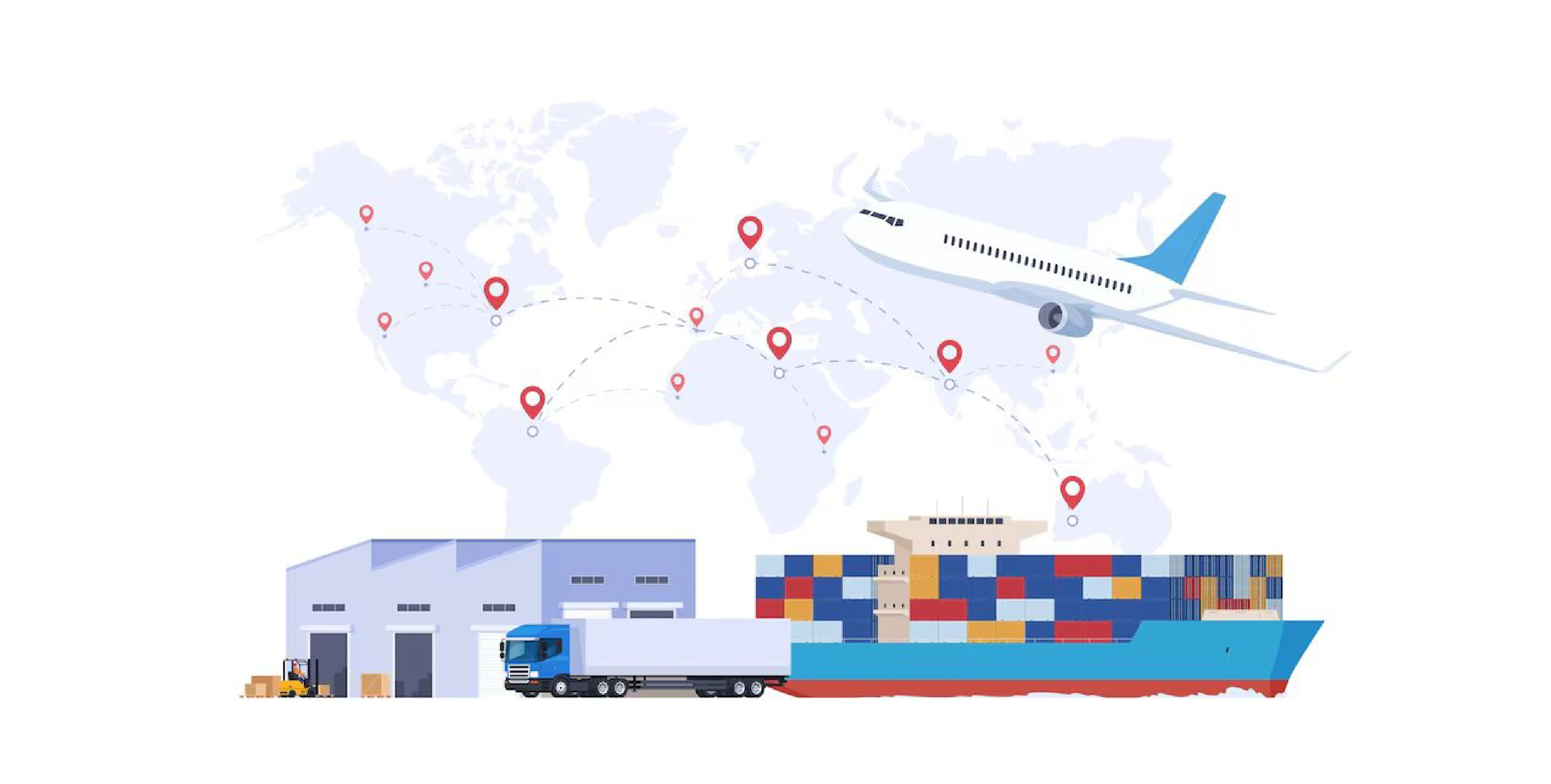
Are you looking to expand your business beyond Indian borders? Do you want to import raw materials or export your products globally? If so, You must know about the Importer Exporter Code (IEC). It is the first step in making your business international.
In this blog , we will explore IEC in detail, from what it is to how it impacts businesses. we'll also explain the application process, provide practical examples, and highlight its importance in global trade.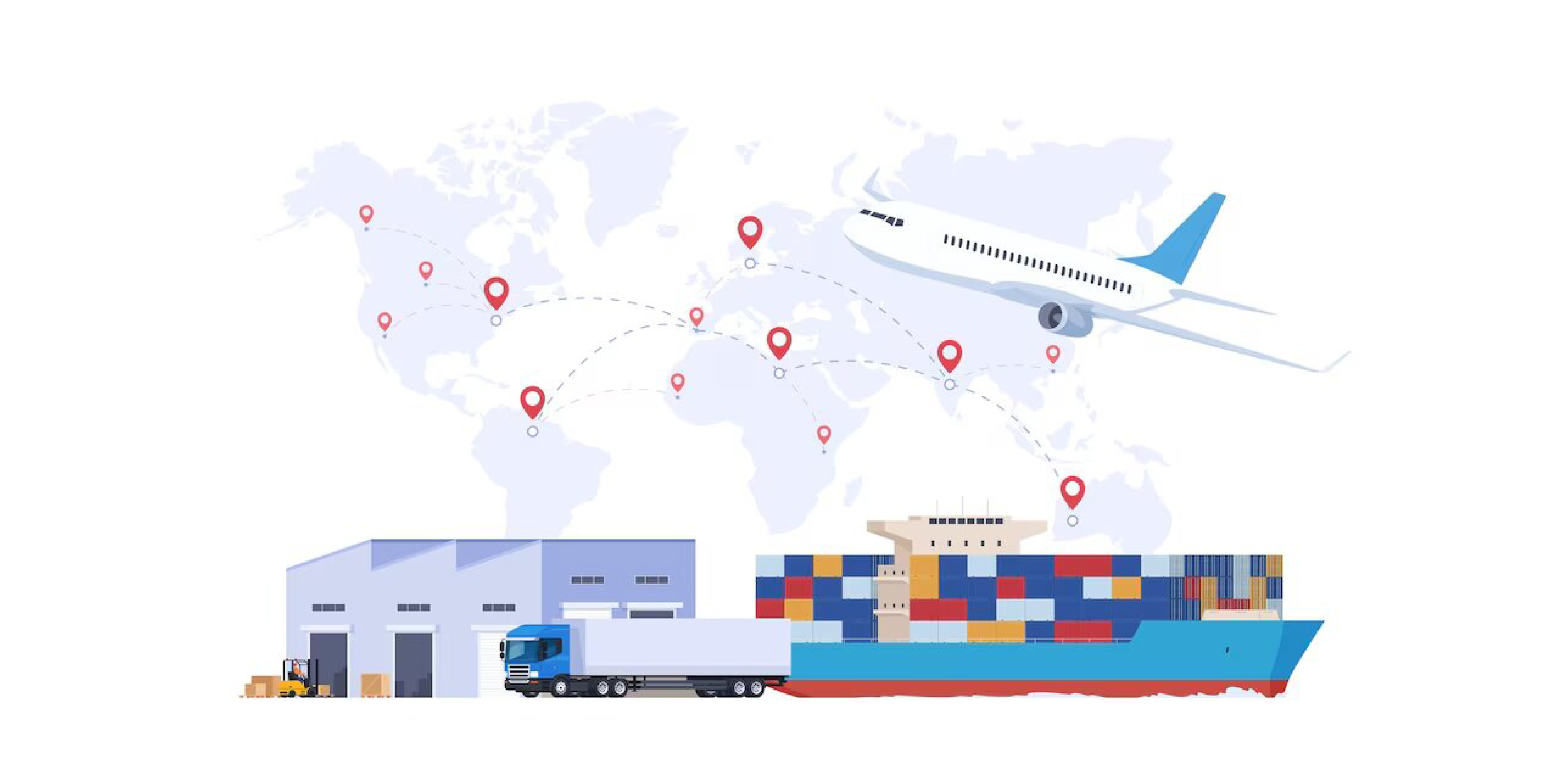
An Importer Exporter Code (IEC) is a vital identification number required by businesses and individuals to engage in international trade. This 10-digit code is issued by the Directorate General Foreign Trade (DGFT) under the Ministry of Commerce and Industry in India. It serves as a key document for companies and individuals involved in importing goods from other countries or exporting products and services to global markets.
Without an IEC, conducting import or export activities legally is not possible. It acts as an authorization that connects your business to the global trade network and ensures compliance with government trade regulations.
Imagine you run a business that manufactures textiles. You plan to export your products to Europe to cater to a larger customer base. To complete the export process, such as customs clearance and receiving payments in foreign currency, you must have an IEC. Similarly, if you want to import high-quality machinery from Japan to improve your manufacturing, the IEC is mandatory to facilitate the import process.
2. Why is IEC (Import Export Code) Important?
The Import Export Code (IEC) plays a foundational role in facilitating international trade. Whether you are a small business owner, a sole proprietor, or a large corporation, having an IEC is mandatory for conducting import/export activities.
Its significance extends far beyond compliance; it provides a structured framework to connect your business to global markets, helps in smooth operations, and offers various government incentives to boost trade. Here’s an in-depth look at why IEC is important:
If you want to engage in the import or export of goods and services, the law requires you to have an IEC. Without this code, importers cannot bring goods into the country, and exporters cannot send their products overseas. It acts as the official identifier for your business in global trade.
For example:
An electronics company in India importing computer parts from China needs an IEC to clear goods through customs. Similarly, a textile manufacturer exporting garments to Europe must mention their IEC in export documents to process the shipment. In the absence of an IEC, customs authorities won’t allow your goods to be cleared, and banks won’t process foreign payments.
When you import or export goods, your shipment must go through customs. IEC is a mandatory requirement for completing customs clearance. It ensures that your shipments comply with the laws of international trade.
Customs authorities use the IEC to track the goods being imported or exported by your business. This process helps maintain transparency and ensures adherence to trade regulations.
For example:
If you are importing high-tech machinery from Germany, you must submit your IEC to customs officials. It becomes part of your shipping documentation and speeds up the clearance process.
Banks require the IEC to facilitate payments related to imports and exports. Whether it is remitting foreign currency to a supplier or receiving payments from an overseas client, an IEC is necessary to process these transactions.
For example:
A pharmaceutical company exporting medicines to the US needs an IEC to receive payment in dollars.
Similarly, a business importing raw materials from Japan must provide their IEC to remit payment in yen.
By linking IEC with banking processes, businesses can ensure a smooth flow of funds and avoid unnecessary delays.
The Indian government offers several incentives and benefits to promote exports. These include duty drawbacks, subsidies, and tax exemptions. However, businesses can only avail these benefits if they have an IEC.
Some popular schemes include:
The Merchandise Exports from India Scheme (MEIS) is a government initiative to encourage exports by offering rewards to exporters. The scheme helps exporters deal with infrastructure challenges and extra costs that may arise during export processes.
Under MEIS, exporters receive Duty Credit Scrips, which are like trade vouchers. These can be used in several ways:
The main goal of MEIS is to promote the production and export of specific goods and products by offering these financial incentives to exporters. This makes exporting easier and more profitable for businesses.
The Service Exports from India Scheme (SEIS), launched on April 1, 2015, is a government initiative to support businesses that export services. Under this scheme, service exporters in specific categories can earn rewards in the form of Duty Credit Scrips. These are trade vouchers that can be used to pay basic customs duties and certain other duties mentioned in the Foreign Trade Policy (FTP) 2015-20.
The reward amount is calculated as a percentage of the net foreign exchange earned by the exporter from eligible services during a financial year.
Mode 1: Cross-border supply of services.
Mode 2: Consumption of services abroad.
If your net foreign exchange earnings for the year are negative, you won’t qualify for any rewards under SEIS.
The Duty Drawback Scheme, managed by CBIC, is a reliable way to support exporters. It refunds the customs and excise duties paid on imported materials or local inputs used to make goods for export. This ensures that exported goods don’t include the cost of these taxes, making them tax-free as per global trade rules set by the WTO.
An IEC is often the first step for businesses that want to expand their operations internationally. By enabling you to legally trade across borders, it opens the door to opportunities in global markets.
For example:
A startup manufacturing organic skincare products can use their IEC to export their products to the US, UK, and other countries. This global exposure not only increases revenue but also helps in building a strong brand presence worldwide.
International trade involves a complex web of regulations, including customs duties, anti-dumping laws, and import/export restrictions. The IEC simplifies compliance by serving as your business’s unique identifier.
For example:
When exporting goods to Europe, you must comply with EU trade laws. The IEC ensures that your business adheres to these regulations, making it easier to enter international markets without legal obstacles.
Having an IEC enhances your credibility in the eyes of foreign clients, suppliers, and government authorities. It indicates that your business complies with international trade regulations and is a legitimate participant in global commerce.
For example:
An exporter dealing with a client in the US can provide their IEC to assure the client of their authenticity. Similarly, an importer can use their IEC to build trust with foreign suppliers.
In today’s digital era, many businesses engage in e-commerce exports. Platforms like Amazon and eBay require Indian sellers to have an IEC to list their products for international buyers.
For example:
A handicrafts business selling goods on Amazon’s international marketplace must provide their IEC to start receiving orders and payments from overseas customers.
3. Situations Where IEC is Required for Businesses
In the business world, having an Import Export Code (IEC) is important for smooth operations. Here are the key situations where businesses must have an IEC:
When a business imports goods, it needs to clear shipments from customs. Customs authorities require the IEC to process these shipments. Without it, the process could be delayed, impacting your business operations.
For businesses that send payments overseas through banks, the IEC is necessary. Banks require this code to handle the transaction smoothly and ensure compliance with regulations. This step helps businesses maintain trust and avoid delays in cross-border transactions.
When businesses export products, the IEC is required by customs at the port. This code helps facilitate the movement of goods internationally and ensures that the export process complies with government regulations.
For businesses receiving payments in foreign currency directly into their bank accounts, the IEC is needed. Banks use this code to verify and process international transactions efficiently, ensuring that the payment is aligned with trade regulations.
In all these scenarios, the IEC acts as a vital document to ensure that business activities comply with regulations and proceed without any unnecessary interruptions.
The Importer Exporter Code (IEC) is applicable to any business or individual involved in international trade. Whether you are a small business or a large corporation, if you import or export goods or services, you need an IEC.
It is required for both goods and services, making it a key document for global trade. If you plan to send or receive payments in foreign currencies, your IEC will be needed by banks.
The IEC applies to various sectors, including manufacturing, e-commerce, agriculture, and services. It is essential for businesses looking to expand globally.
Even if you are a freelancer offering services internationally, an IEC is still necessary. The code is used for smooth customs clearance, banking transactions, and eligibility for government schemes.
In short, if your business engages in international trade, the IEC is important for seamless operations.
5. How to Apply for IEC (Importer Exporter Code)
Applying for an IEC (Importer Exporter Code) is an easy process and can be done online through the Directorate General of Foreign Trade (DGFT) portal. It is a crucial step for any business looking to engage in international trade. Let’s dive deeper into each step involved in the application process:






Masa Gaia Logistics LLP
Lane No 17, Opp Bank of Maharashtra,
Sharif Colony, Roshan Gate,
Aurangabad - 431001,
Maharashtra, India
© Copyright 2024 Masa Gaia. All rights reserved | Designed by TNM Online Solutions | This site is protected by reCAPTCHA and the Google Privacy Policy and Terms of Service apply |